
The best discounts this week
Every week you can find the best discounts here.

Cathedral Victorian Greenhouse
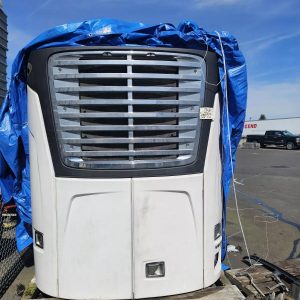
Vector 8500 Trailer Refrigeration Units
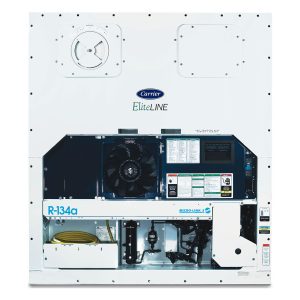
Carrier EliteLINE Units

MW Alloy Tradie’s – Double Axle 8×5
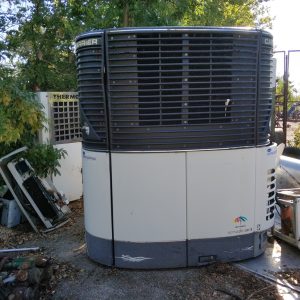
Phoenix Ultra XL Trailer Refrigeration Units
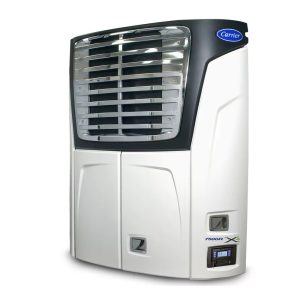
X4 7500R Refrigeration Units
How to Build a Greenhouse for Your Garden in Australia: A Complete Guide
Greenhouses have become increasingly popular among Australian gardeners, hobbyists, and commercial growers who want greater control over their growing environment. With Australia’s diverse climate—ranging from tropical conditions in the north to temperate and even cooler climates in the south—a greenhouse provides the perfect solution for extending the growing season, protecting plants from harsh weather, and cultivating a wider variety of crops.
Whether you are interested in growing vegetables, herbs, flowers, or exotic plants, building your own greenhouse can significantly improve productivity and plant health. A well-designed greenhouse allows gardeners to regulate temperature, humidity, and airflow while shielding plants from pests, heavy rain, wind, and extreme heat.
This comprehensive guide will walk you through everything you need to know about building greenhouses for your garden in Australia—from planning and design to materials, construction, ventilation, and maintenance.
⸻
Why Build a Greenhouse in Australia?
Australia’s climate can be unpredictable and sometimes harsh for gardening. Many regions experience scorching summer temperatures, strong winds, seasonal droughts, and sudden storms. Our greenhouses provide a controlled environment that helps overcome these challenges.
1. Extended Growing Season
One of the main benefits of a greenhouse is the ability to grow plants year-round. In cooler regions such as Tasmania, Victoria, and parts of New South Wales, winter temperatures can limit plant growth. A greenhouse retains warmth and allows plants to thrive even during colder months.
2. Protection from Extreme Weather
Australia frequently experiences weather extremes such as heatwaves, hailstorms, strong winds, and heavy rainfall. A greenhouse protects plants from these damaging conditions.
3. Improved Plant Health
Inside a greenhouse, you can regulate humidity, airflow, and temperature. This results in healthier plants with faster growth and higher yields.
4. Pest and Disease Control
A greenhouse acts as a physical barrier against many insects and pests that can damage crops in outdoor gardens.
5. Growing Exotic Plants
Many tropical plants cannot survive outdoors in cooler regions of Australia. A greenhouse kits Australia allows you to grow exotic plants, orchids, rare flowers, and specialty vegetables.
⸻
Step 1: Planning Your Greenhouse
Proper planning is the most important step when building a greenhouse. The size, design, and materials you choose will affect its performance and durability.
Consider Your Purpose
First determine what you want to grow in your greenhouse. Different plants have different requirements.
Common greenhouse uses include:
• Growing vegetables
• Propagating seedlings
• Growing flowers and ornamentals
• Growing tropical plants
• Hydroponic farming
The purpose of the greenhouse will influence the design, ventilation system, and heating requirements.
Choose the Right Size
Greenhouses can range from small backyard structures to large walk-in buildings. A common size for home gardens is between 6m² and 20m².
When deciding on size, consider:
• Available space in your garden
• The number of plants you plan to grow
• Future expansion
• Budget
It is often recommended to build slightly larger than you think you need, as gardeners frequently outgrow small greenhouses.
⸻
Step 2: Choosing the Best Location
The location of your greenhouse will determine how much sunlight your plants receive and how efficient the structure will be.
Sunlight Exposure
Greenhouses require maximum sunlight throughout the day.
In Australia, the best orientation is usually:
North-facing
This allows the greenhouse to receive the most sunlight during winter months.
Avoid placing your greenhouse:
• Behind tall trees
• Near large buildings
• In shaded areas
Wind Protection
Strong winds can damage greenhouse structures and reduce internal temperature stability.
Choose a location that is: > J: • Sheltered from strong winds
• Protected by fences, hedges, or buildings
However, make sure airflow around the structure is still possible.
Good Drainage
Avoid placing the greenhouse in low areas where water collects. Poor drainage can cause flooding and high humidity levels.
⸻
Step 3: Choosing the Right Greenhouse Design
There are several greenhouse styles suitable for Australian gardens.
Freestanding Greenhouse
This is the most common design. It is placed independently in the garden and allows sunlight from all sides.
Advantages:
• Excellent sunlight exposure
• Flexible placement
• Good ventilation
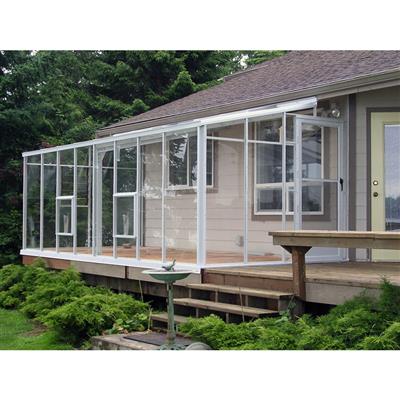
A lean-to greenhouse is attached to the side of a house, garage, or wall.
Advantages:
• Saves space
• Uses existing structure for support
• Easier access to electricity and water
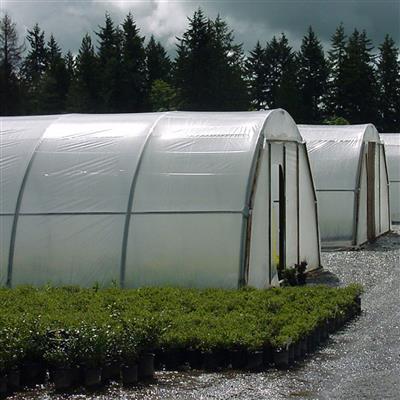
This design uses curved metal or PVC pipes to create a tunnel-shaped structure.
Advantages:
• Affordable
• Easy to build
• Ideal for beginners
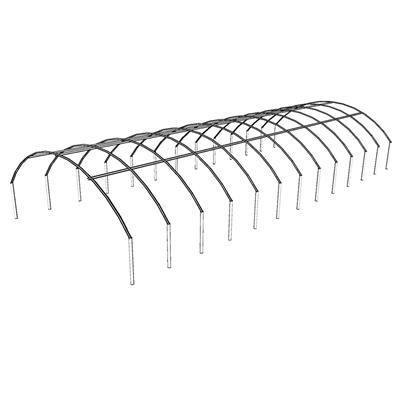
An A-frame structure uses a triangular roof design.
Advantages:
• Strong and wind resistant
• Good snow or rain runoff
⸻
Step 4: Selecting Greenhouse Materials
The materials you choose will affect the durability, insulation, and cost of your greenhouse.
Greenhouse Frame Materials
Aluminium Frames
Aluminium is one of the most popular materials in Australia.
Advantages:
• Rust-resistant
• Lightweight
• Long lifespan
• Minimal maintenance
Steel frames are stronger and more durable.
Advantages:
• Very strong
• Suitable for large structures
• Wind resistant
Timber Frames
Timber greenhouses offer a traditional appearance.
Advantages:
• Attractive design
• Strong structure
• Natural insulation
However, timber requires regular maintenance to prevent rot.
⸻
Greenhouse Covering Materials
Polycarbonate Panels
Polycarbonate is widely used in Australian greenhouses.
Advantages:
• Strong and durable
• UV resistant
• Excellent insulation
• Impact resistant
Polyethylene Greenhouse Film
This plastic covering is commonly used for hoop houses.
Advantages:
• Low cost
• Easy to install
• Good light transmission
Glass Panels
Glass provides maximum clarity and light penetration.
Advantages:
• Excellent light transmission
• Long lifespan
• Attractive appearance
However, glass can be fragile and expensive.
⸻
Step 5: Building the Foundation
A solid foundation ensures your greenhouse remains stable and secure.
Common foundation options include:
Concrete Slab
Concrete foundations are the most durable.
Advantages:
• Long-lasting
• Very stable
• Suitable for large greenhouses
Concrete Footings
Footings provide strong anchoring while allowing soil beds inside the greenhouse.
Treated Timber Base
A timber base frame is a more affordable option.
Advantages:
• Easy installation
• Suitable for small greenhouses
⸻
Step 6: Constructing the Greenhouse Frame
Once the foundation is ready, you can begin assembling the greenhouse Australia frame.
General construction steps include:
1. Install base frame on foundation
2. Assemble wall frames
3. Install roof structure
4. Add support braces
5. Secure the frame to the foundation
Always follow manufacturer instructions if you are building from a greenhouse kit.
⸻
Step 7: Installing the Greenhouse Cover
After the frame is complete, the next step is installing the covering material.
Important tips include:
• Ensure panels are properly sealed
• Avoid gaps where heat can escape
• Secure plastic film tightly
• Use UV-resistant materials
Proper installation prevents heat loss and improves durability.
⸻
Step 8: Ventilation and Air Circulation
Ventilation is essential for maintaining a healthy greenhouse environment.
Without proper airflow, temperatures can quickly rise to dangerous levels.
Essential ventilation features include:
Roof Vents
Hot air rises, so roof vents allow excess heat to escape.
Side Vents
Side vents help bring cool air into the greenhouse.
Circulation Fans > J: Fans improve air movement and prevent stagnant air pockets.
In Australia, proper ventilation is particularly important during hot summers.
⸻
Step 9: Temperature Control
Temperature regulation ensures optimal plant growth.
Shade cloth helps reduce heat during summer.
Common shading levels:
• 30% shade
• 50% shade
• 70% shade
Evaporative Cooling
Cooling systems such as misting or evaporative pads can significantly lower greenhouse temperatures.
Heating Systems
In cooler regions, heating may be required during winter.
Common heating options include:
• Electric heaters
• Gas heaters
• Heat mats for seedlings
⸻
Step 10: Watering and Irrigation
Efficient watering systems are essential for greenhouse gardening.
Manual Watering
Using a watering can or hose is suitable for small greenhouses.
Drip Irrigation Systems
Drip systems deliver water directly to plant roots and reduce water waste.
Advantages:
• Water efficiency
• Consistent watering
• Reduced disease risk
Automatic Irrigation
Automated irrigation systems allow precise control over watering schedules.
⸻
Step 11: Greenhouse Layout and Organisation
Proper layout maximizes the available space.
Key layout tips include:
• Install benches for seedling trays
• Use vertical shelving
• Leave walkways for easy access
• Separate plant types when possible
Hanging baskets can also help utilize overhead space.
⸻
Step 12: Maintenance and Care
Regular maintenance ensures your greenhouse remains efficient and productive.
Maintenance tasks include:
• Cleaning panels to improve sunlight penetration
• Checking for damaged panels
• Inspecting ventilation systems
• Monitoring temperature and humidity
• Removing pests or diseased plants
Keeping the greenhouse clean reduces disease and pest problems.
⸻
Common Mistakes to Avoid
When building a greenhouse, avoid these common mistakes:
Poor Ventilation
Insufficient ventilation can overheat plants.
Incorrect Location
Shaded locations reduce plant growth.
Choosing Cheap Materials
Low-quality materials may deteriorate quickly.
Building Too Small
Many gardeners regret building small greenhouses.
⸻
Cost of Building a Greenhouse in Australia
Greenhouse costs vary depending on size and materials.
Typical price ranges include:
Small greenhouse kits
$300 – $1,500
Medium backyard greenhouses
$1,500 – $6,000
Large hobby greenhouses
$6,000 – $15,000+
DIY greenhouses can reduce costs significantly.
Building a greenhouse for your garden in Australia is a rewarding investment that allows you to grow healthier plants, extend your growing season, and protect crops from harsh weather conditions. With careful planning, the right materials, and proper ventilation, a greenhouse can transform your gardening experience and significantly increase productivity. You can also buy lifetime sheds Australia here.
Whether you are a beginner gardener or an experienced grower, constructing your own greenhouse offers long-term benefits that make it well worth the effort. By following the steps outlined in this guide, you can create a functional and efficient greenhouse that will serve your garden for many years to come. We also have the best cedar hot tubs Australia on sale
